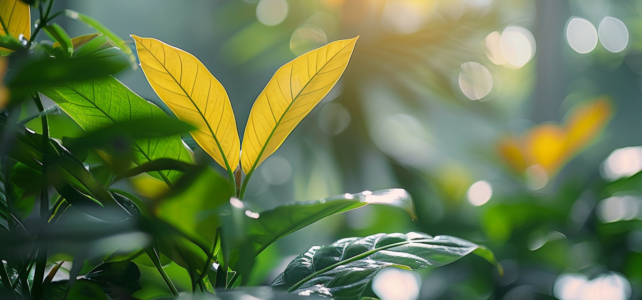
The yellowing of leaves in ornamental plants is a common sign of plant distress. Often associated with a variety of environmental factors or inadequate care, this phenomenon, known as chlorosis, can signal a lack of nutrients, a watering issue, or a pest attack. Amateur and professional gardeners are constantly seeking methods to counter this problem and maintain the vitality and aesthetic appeal of their plants. Identifying the specific cause of yellowing is essential to provide the most effective solution and preserve the health of ornamental plants.
Identifying and Understanding the Causes of Leaf Yellowing
Iron chlorosis is often implicated in leaf yellowing, indicating a deficiency in iron, an essential element for chlorophyll synthesis and photosynthesis. This condition manifests as discoloration and yellowing of leaves, particularly noticeable on plants such as hibiscus or oleander: yellow leaves immediately evoke this imbalance. In the face of this symptom, soil analysis becomes a crucial tool, allowing for the detection of sufficient nutrient presence and diagnosing any anomalies in the substrate composition.
Consider that diseases and pests can also induce yellowing, without necessarily being related to an iron deficiency. A thorough inspection of leaves and roots may reveal the presence of pests or fungal diseases, requiring specific treatment measures. These issues, distinct yet sometimes concurrent, necessitate an adapted approach that takes into account the overall health of the plant.
Find the appropriate solution by conducting a rigorous soil analysis to identify deficiencies and adjust nutrient supply. Once the cause of the problem is established, whether it is a lack of iron or another imbalance, the targeted application of treatments becomes more effective, thus restoring the brightness and vigor of the plants. Adding compost, rich in minerals and trace elements, can prevent future incidents, promoting healthy growth and leaves of a deep green.
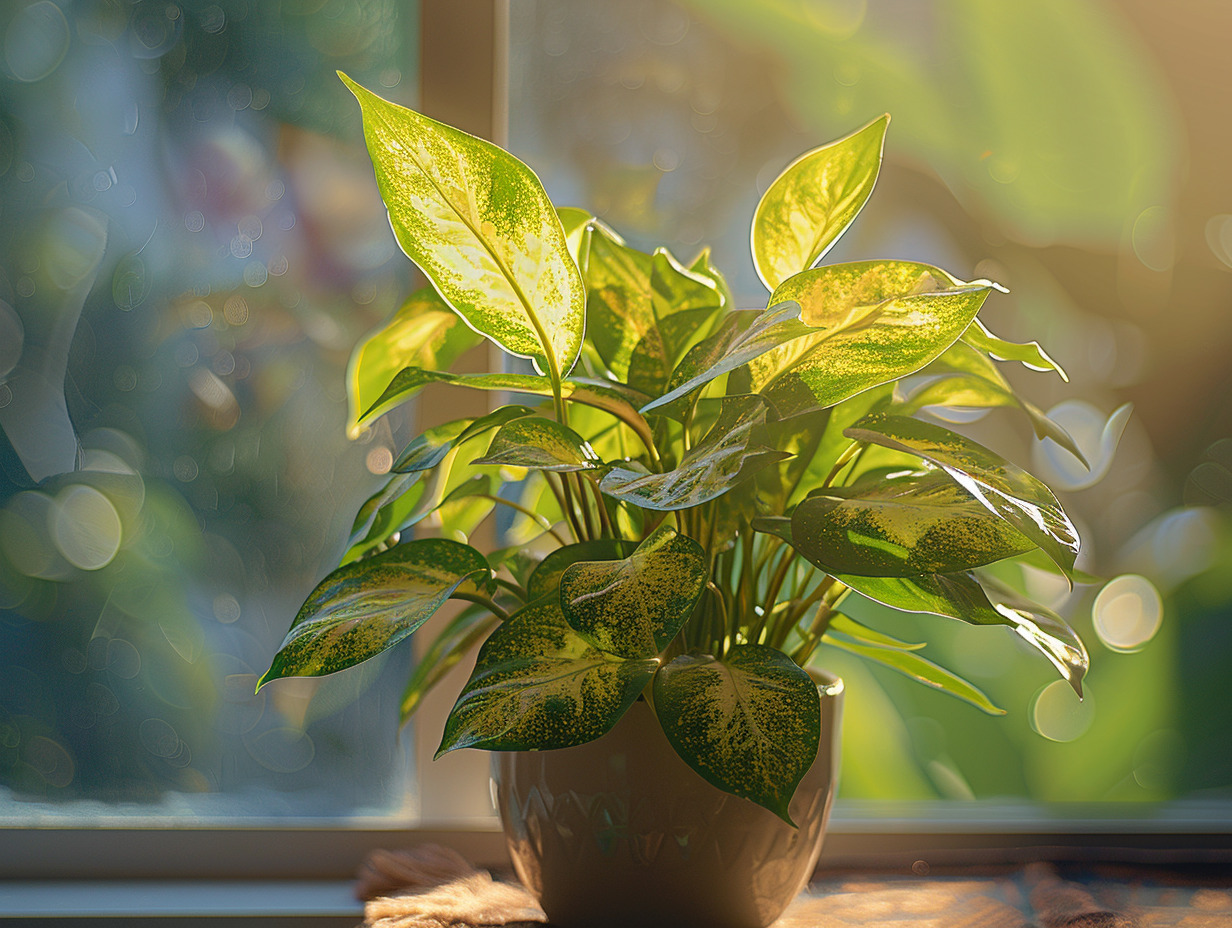
Strategies and Treatments to Prevent and Remedy Yellowing
Anti-chlorosis products, such as chelated iron, provide an effective response to iron chlorosis. These specially formulated agents bind to iron to make it more absorbable by the plant, thus correcting the mineral deficiency responsible for yellowing. The use of anti-chlorosis foliar fertilizers through foliar spraying allows for direct and rapid absorption by the foliage, accelerating the plant’s recovery.
In the context of organic farming, natural alternatives like fermented nettle extract prove to be eco-friendly solutions. Rich in iron and minerals, this nettle manure is an ancient remedy recognized for its preventive and curative action against leaf yellowing. Apply it according to organic practices to enhance the resilience of plants against deficiencies.
Compost is another major preventive weapon. By enriching the soil, it provides a multitude of essential nutrients for healthy growth. Its regular incorporation at the base of plants ensures a constant supply of organic matter, thereby promoting root vigor and the robustness of leaves.
Additionally, follow a precise maintenance guide that outlines the water quantity needs and nutrients for each species. Adequate irrigation, combined with regular pest monitoring, and if necessary, the application of appropriate insecticides, helps prevent attacks that could compromise leaf health.