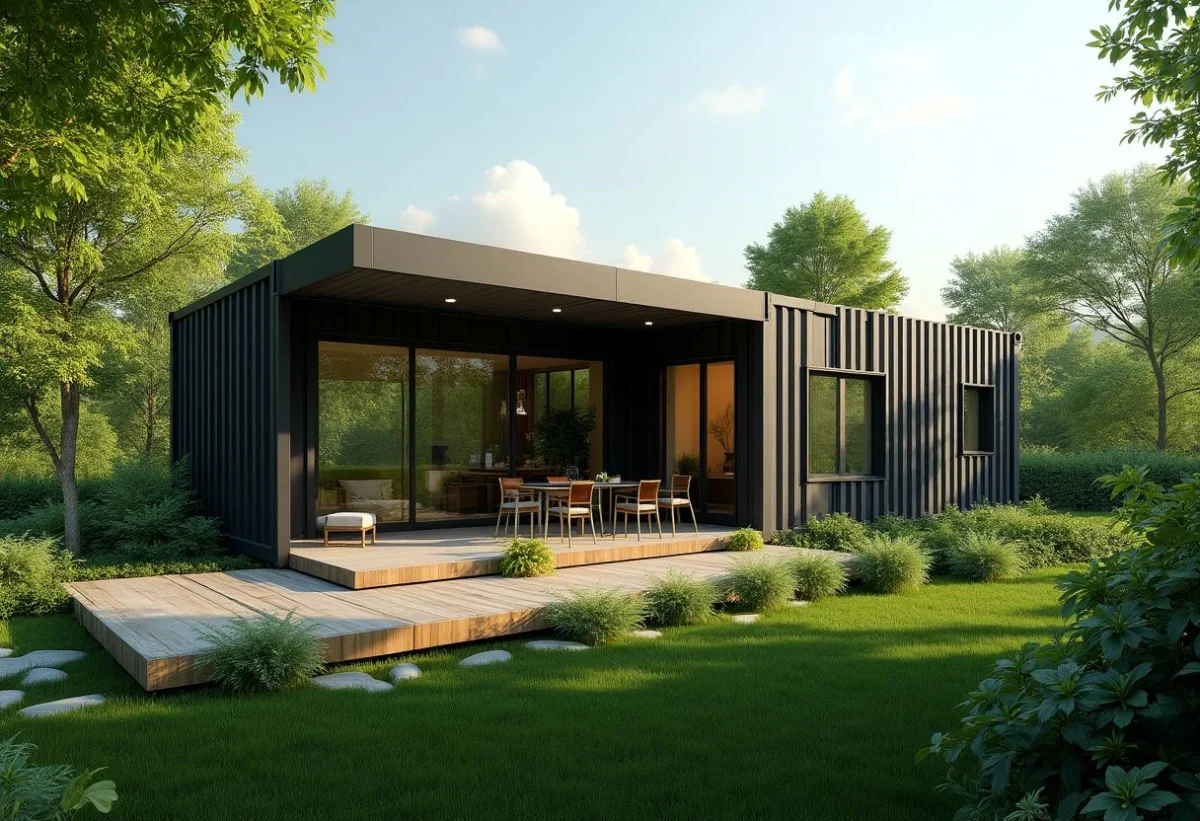
Contemporary architecture is constantly evolving, integrating ecological and economic solutions to meet the needs of a transitioning world. Among the trends gaining momentum, building houses from shipping containers stands out for its originality and adaptability. This method, popularized by its financial and environmental advantages, increasingly appeals to individuals looking to create a modern and functional habitat.
Understanding the Essence of Container Construction
Before embarking on the adventure, it is essential to fully grasp what container construction entails. These structures, originally designed for transporting goods, offer robustness and modularity that make them attractive for building homes. Their recycling into houses illustrates a sustainable approach by reducing carbon footprints and reusing existing materials.
Containers provide a rare architectural flexibility. Their modular design allows for a wide variety of configurations, from simple studios to large family homes. The use of these steel modules also meets a growing need for quick and economical constructions. From a financial standpoint, using containers can significantly reduce construction costs while offering increased resistance to weather and earthquakes.
Preliminary Steps and Planning
Organization and preparation are key elements for successfully completing a container home project. Here’s how to effectively plan your project:
- Site Assessment: Before buying a container, it is crucial to ensure that the site is suitable. The nature of the soil, topography, and access to water and electricity networks are determining factors.
- Design and Planning: Collaborating with an architect experienced in container structures can help maximize space utilization while adhering to local building codes.
- Permits and Regulations: Obtaining the necessary permits is an essential step. Zoning regulations can vary considerably from one region to another, so it is vital to consult local authorities.
Construction and Assembly Techniques
Building with containers requires specific techniques to ensure the durability and comfort of the habitat.
Insulation: Although containers are robust, they are not naturally insulated. Adding effective insulation is essential to ensure optimal thermal comfort and reduce energy consumption. Eco-friendly insulators, such as wood wool or hemp, are often preferred for their low environmental impact.
Interior and Exterior Finishes: Finishes must be carefully selected to preserve structural integrity while providing an appealing aesthetic. From wooden cladding to metal panels, the options are numerous and allow for personalizing the appearance of your home.
Integration of Systems: The installation of electrical, plumbing, and ventilation systems should be planned from the outset. Hiring qualified professionals for these tasks ensures the safety and proper functioning of your installation.
The Advantages and Challenges of a Container Home
Transforming containers into homes offers many advantages but also presents challenges that should be considered.
- Durability: Containers are designed to withstand the extreme conditions of maritime travel, making them a durable and resilient solution for housing construction. Their reuse contributes to an ecological approach by reducing the need for new materials.
- Cost and Construction Time: Reducing construction time and costs are often arguments in favor of using containers. However, hidden costs may arise related to adapting the structures for residential use, such as insulation and compliance with standards.
- Aesthetics and Customization: While these homes can be aesthetically unique, the structural constraints of containers may limit certain aspects of customization. However, design innovation can overcome these obstacles to create exceptional living spaces.