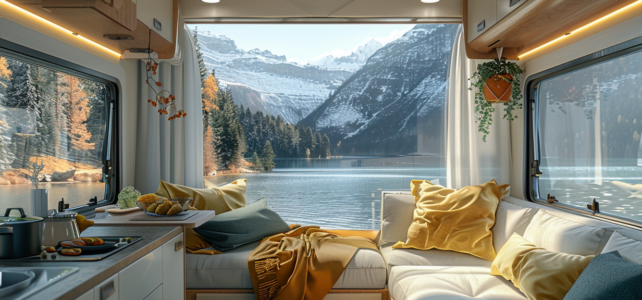
Transforming a transport vehicle into a mobile home is a growing trend among travel and adventure enthusiasts. This practice, often referred to as vanlife, involves creating a functional and comfortable living space within a vehicle, such as a van or a truck. The goal is to create a space that meets both mobility and housing needs, allowing travelers to hit the road while having a cozy corner to rest. This lifestyle appeals with its promise of freedom and autonomy, encouraging travelers to rethink the use of their everyday transport space.
Key steps to transform your vehicle into a mobile home
The process of converting a vehicle into a mobile dwelling is complex and requires careful planning. Thoroughly prepare your project by adhering to the necessary steps and regulations. First, clearly define the intended use of your mobile home, whether it’s a van, a truck, or an converted heavy vehicle. Nina Nelson and her husband, for example, transformed a school bus into a fully equipped mobile home, complete with beds, a kitchen, toilets, and a bathroom, to accommodate their children during vacations. Consult the website where they share their experience to gather ideas and understand the challenges faced.
Next, comply with the guidelines and road code regarding vehicle modifications. This process involves going through a series of approvals and inspections, such as type approval or individual approval, and sometimes a prototype approval for more specific modifications. Contact the Regional Directorate for the Environment, Planning and Housing (DREAL), the entity responsible for verifying the safety of your installation. Ensure that the actual weight of your vehicle once modified does not exceed the authorized limits and that you have the appropriate registration certificate.
Design your space considering technical constraints and comfort. Corinne and Fabrice opted for a bus offering 35 m² of comfort, equipped with energy-saving features and a shower that recycles water. Every choice must be made thoughtfully, assessing the impact on the vehicle’s autonomy and the quality of life on board. The customization of the space should meet your travel needs while adhering to safety and habitability standards.

Tips to maximize comfort and autonomy in your new home on wheels
Optimize the living space to combine functionality and comfort. Specialized companies, such as Combeing and Campinambulle, offer modular and removable design solutions tailored to your needs. These fittings allow you to transform the interior space of your vehicle into a practical and pleasant living area while retaining the option to reuse it for transport.
Choose energy autonomy to extend your stays off the beaten path. Solar panel systems and energy storage batteries enhance your independence. The company VanCubic, for example, offers removable modules incorporating these technologies, allowing you to break free from the constraints of seeking external energy sources.
Prioritize the versatility of your layout to accommodate various travel situations. Transformable furniture, clever storage spaces, and multifunctional equipment, as offered by Nolty or Camp in box, allow you to adapt your living space according to your activities, whether for resting, working, or leisure.
Consider discretion and maneuverability when selecting your vehicle and its layout. A van or a converted truck often offers a better compromise between living space, comfort, seating capacity, maneuverability, and discretion compared to a larger motorhome. Services like Nomad addict or Casi Camp can advise you on the options best suited to your nomadic lifestyle.