
Fusion cuisine is the culinary art of marrying flavors from diverse backgrounds to create innovative and surprising dishes. By blending techniques, ingredients, and traditions from different cultures, chefs open a gastronomic dialogue, inviting diners on an unprecedented sensory journey. This approach not only allows for the exploration of new taste associations but also pushes the boundaries of conventional cooking. Through these creations, it unveils a celebration of diversity and the harmony possible between peoples, promising an experience that delights the palate and enriches the spirit.
The origins of fusion cuisine: a historical journey
Fusion cuisine, an essential culinary trend, finds its roots in the tumultuous history of cultural exchanges. Its origins are shaped by the mingling of populations and the curiosity of cooks who, over the centuries, have incorporated foreign elements into their culinary art. Consider the Japanese culinary traditions, long preserved, which have undergone a major transformation, becoming a pillar of the fusion of culinary cultures today.
The world of fusion cuisine has flourished thanks to visionary chefs such as Nobuyuki Matsuhisa, Tetsuya Wakuda, and Roy Yamaguchi. These gastronomic maestros have successfully blended the excellence of Japanese cuisine with the flavors and techniques from other horizons. Nobuyuki Matsuhisa, for example, is known for his Japanese-Peruvian fusion cuisine, while Tetsuya Wakuda has added a Nippo-Australian touch to his creations, perfectly illustrating the combination of flavors from around the world.
Mademoiselle Caramel, a renowned food critic, has noted that Japanese cuisine was just the beginning of a culinary revolution. It has evolved to become an essential contemporary trend in fusion cuisine. Chefs like Roy Yamaguchi, who has created a unique fusion between Hawaiian and Japanese cuisine, have demonstrated that the blending of cultures can lead to innovative dishes, offering a new dimension to the gastronomic experience.
These pioneers have paved the way for a generation of chefs who today continue to expand the horizons of fusion cuisine. By opening their own specialized restaurants, they have solidified this trend and anchored it in the global gastronomic landscape. Fusion cuisine, initially a bridge between East and West, is now a crossroads where all the cuisines of the world meet to give birth to dishes that challenge the imagination and delight the most discerning palates.
Techniques and creativity: the keys to success in fusion cuisine
Find inspiration in travel, cookbooks, restaurants, and from influencers. Fusion cuisine, a trend that pushes the boundaries of taste, requires a constantly renewed creative vein. Chefs draw from their experiences and the culinary traditions they visit to forge their own unique culinary experiences. This relentless quest for inspiration is the driving force behind the boldness of flavor and technique combinations.
The balance of flavors is the cornerstone of any successful dish in fusion cuisine. This harmony is sought after, refined, until each element finds its place without dominating the others. The challenge lies in the ability to marry ingredients and spices from culinary worlds that can sometimes be diametrically opposed. This delicate alchemy is the result of a deep knowledge of products and a keen sensitivity to tastes.
Experimentation is an integral part of the creative process in fusion cuisine. It allows chefs to discover new associations of flavors and textures. This trial-and-error approach often leads to surprising discoveries, which can define a culinary signature or even launch a new trend. Experimentation encourages a flexible and open approach, essential for cooks who aspire to innovate.
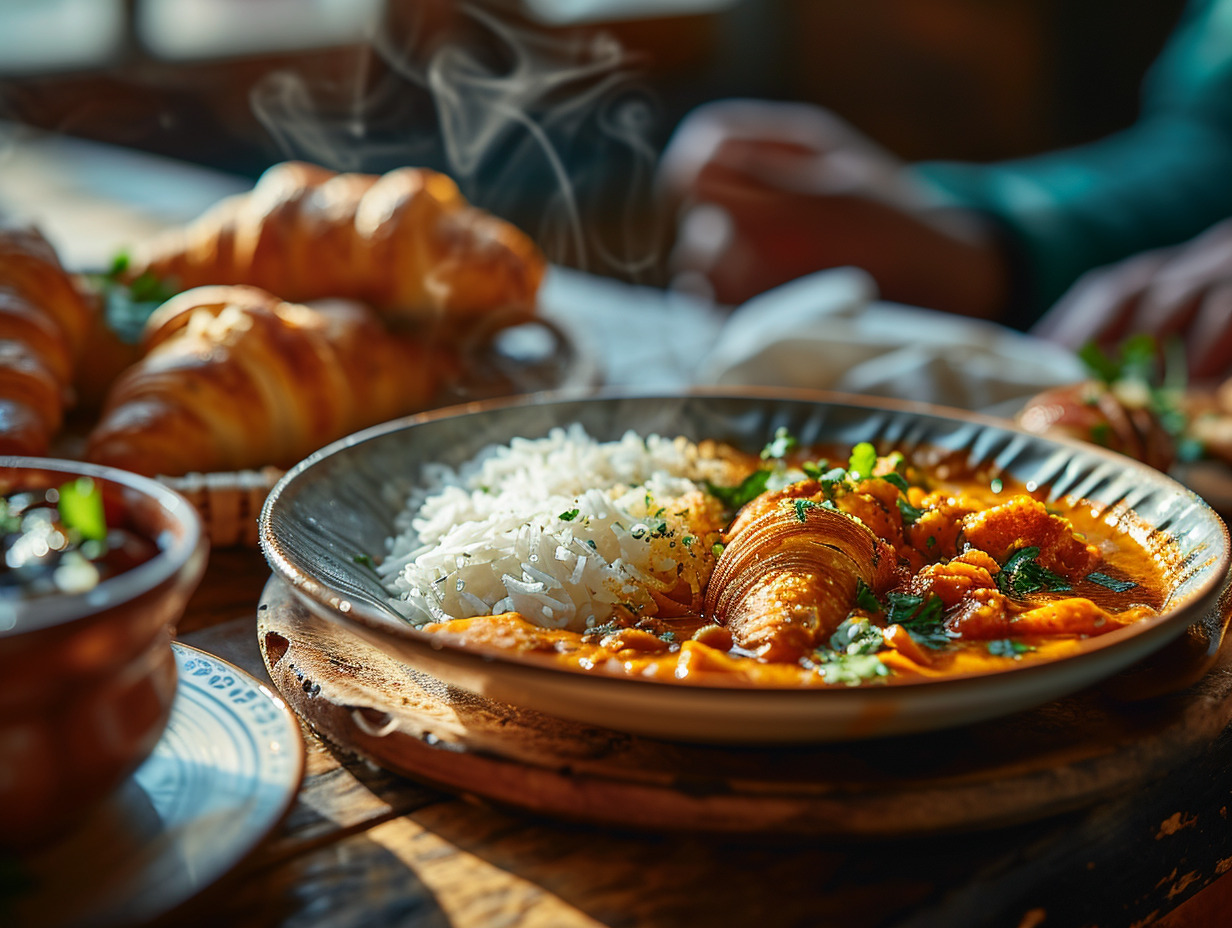
The presentation and aesthetics of dishes in fusion cuisine are of paramount importance. The visual aspect is the first contact a diner has with the dish, so it must reflect the boldness and complexity of what the plate contains. Careful attention to aesthetics can transform a dish into a work of art and contributes to the overall experience of the taster. It is an essential component that works in concert with taste to elevate fusion cuisine to the level of a complete gastronomic experience.