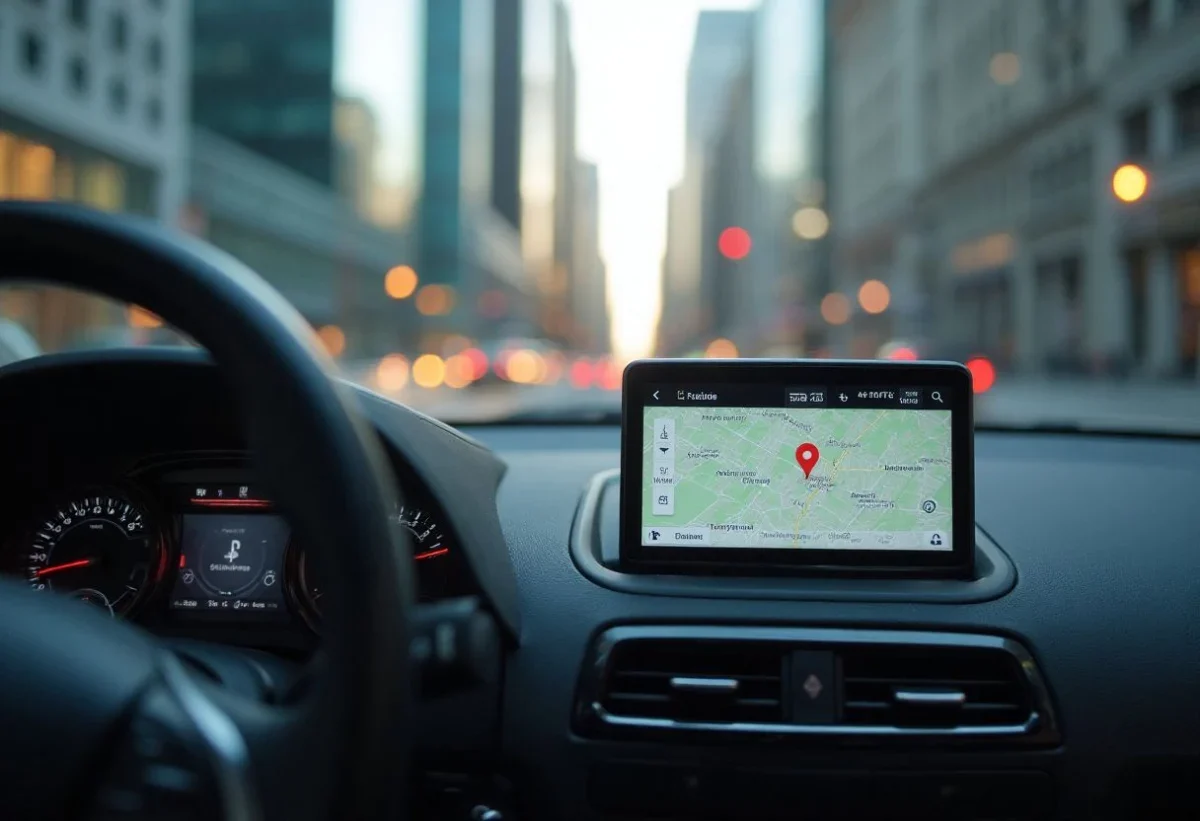
In a world where technological advancements continually redefine our daily lives, vehicle geolocation has become an essential tool for businesses and individuals alike. Much more than just a gadget, it transforms our relationship with mobility, optimizes operations, and enhances road safety. Behind this technology lie major stakes, ranging from fleet management to reducing carbon footprints, as well as preventing theft. From an economic perspective, the impact is equally significant, allowing for greater efficiency and better resource management.
The fundamental principles of vehicle geolocation
Understanding the basics of vehicle geolocation is essential to fully appreciate its benefits. This technology relies on the use of satellites and complex systems to track and manage vehicles in real-time.
- GPS technology: at the heart of geolocation lies the Global Positioning System, a network of satellites that provides precise data on a vehicle’s location. By capturing signals sent by these satellites, GPS receivers calculate the exact geographical position of the vehicle.
- Real-time communication: modern geolocation systems integrate communication networks to transmit data in real-time to fleet managers or vehicle owners. This allows for constant monitoring and rapid response to unforeseen situations.
- Integrated management systems: fleet management software uses geolocation data to provide an intuitive user interface, facilitating decision-making and route optimization.
Practical applications and benefits
The applications of vehicle geolocation are vast and bring a multitude of tangible advantages for both businesses and individuals.
For businesses, vehicle geolocation is strategic. It allows for better resource management, reduces operational costs, and improves customer service. By tracking routes, managers can identify inefficiencies and propose optimizations.
Individuals, on the other hand, benefit from increased security. In the event of theft, a car equipped with a geolocation system can be found more quickly by authorities. Moreover, parents rely on this technology to monitor their children’s movements, ensuring peace of mind.
Reducing the ecological footprint is also a significant aspect. By optimizing routes, fuel consumption decreases, contributing to a more environmentally friendly mobility.
Ethical and legal issues
The rise of vehicle geolocation inevitably raises ethical and legal questions. The collection and use of location data require a thoughtful approach that respects individual rights.
Data protection is at the heart of the debates. Companies must ensure that the information collected is used only for legitimate purposes and in compliance with current legislation. In some countries, strict laws govern the use of these technologies to protect individual freedoms.
Next, the issue of surveillance arises. While geolocation can ensure the safety of property and individuals, it can also be perceived as an intrusion into privacy. Users must therefore be informed and give their informed consent before any use.
Future perspectives
The future of vehicle geolocation looks promising with innovations that continually push the boundaries of what is possible. Advances in sensor technologies and artificial intelligence open up new perspectives.
- Integration of artificial intelligence: AI could transform geolocation by enabling more accurate predictions and advanced behavioral analyses. Systems will be able to anticipate users’ needs and offer tailored solutions.
- Autonomous vehicles: geolocation plays a key role in the development of autonomous cars. These vehicles, equipped with multiple sensors, rely on location data to navigate autonomously and safely.
- Shared mobility: with the rise of carpooling and shared vehicle services, geolocation becomes essential for effectively managing these systems and improving user experience.
Vehicle geolocation stands as a major innovation of the 21st century, revolutionizing our way of thinking about mobility and resource management. As technology continues to evolve, it promises to make our travels more efficient, safe, and environmentally friendly. Although ethical and legal challenges remain, the future looks bright for this technology that continues to surprise us.