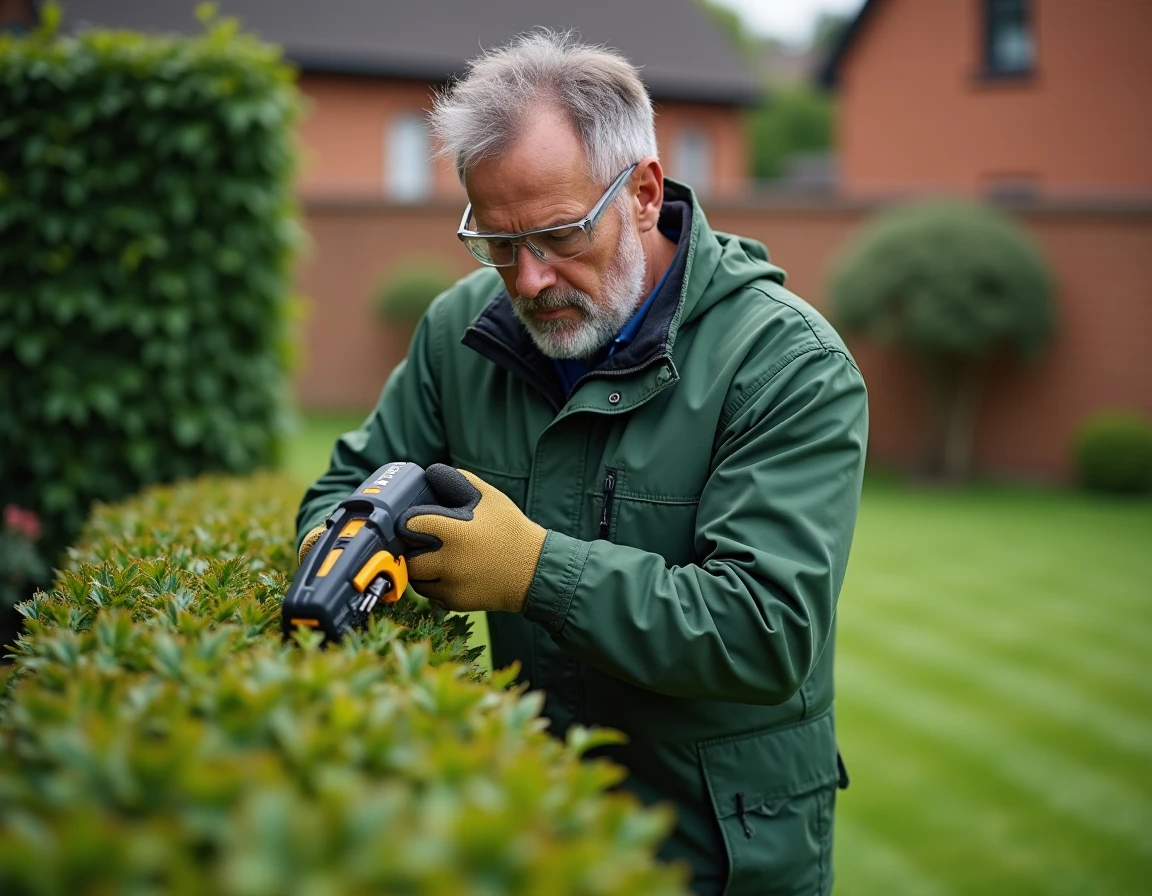
A linden tree with low branches rubbing against the roof, a fruit tree overflowing into the neighbor’s yard: in these situations, we often grab the first tool at hand. The result is a rough cut, poorly distributed physical effort, and sometimes an accident. Choosing the right pruner means starting from the actual work to be done, not from an abstract technical sheet.
Actual cutting diameter: the limit that no one checks before purchase
Competitors talk at length about types of engines or families of devices, but they overlook a point that conditions everything: the diameter of branches that the pruner can actually cut. According to Jardiland, a pruner is generally limited to branches of about 10 to 30 mm in diameter. Beyond that, we enter the territory of the classic chainsaw.
In practical terms, if your maintenance work involves an orchard, tall hedges, or dead wood in the canopy, a pruner is sufficient. However, as soon as you tackle an oak or a plane tree with branches over 30 mm, the tool will struggle, heat up, and the chain will wear out prematurely. You can compare catalogs on elagueuse-warrior.com to identify the cutting capacities advertised by each model and avoid unpleasant surprises.
Before buying, measure with a caliper (or simply with a meter) the branches you cut most often. It is this average diameter that determines whether you need a pruner or a chainsaw.
Telescopic pruner for ground work: reducing the risk of falling
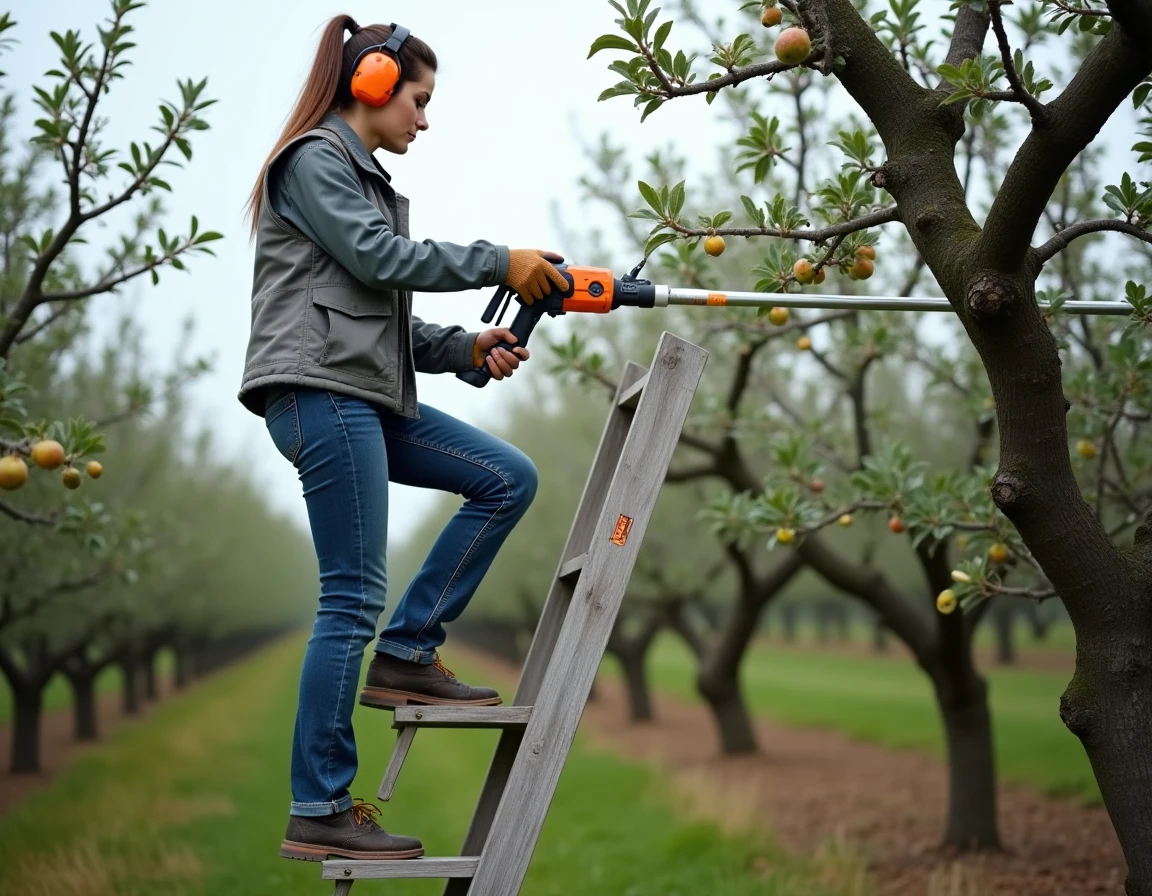
The majority of home accidents related to pruning involve a ladder. You climb up, poorly stabilize the foot, lean to reach an off-center branch, and the situation tips. The telescopic pruner, whether gas or battery-powered, radically changes this scenario.
The idea is simple: keep both feet on the ground and let the telescopic pole reach the branches high up. Several specialized sellers now recommend this solution to individuals, precisely to eliminate working at height on a ladder.
Telescopic pole or classic pruner mounted high
With a pole, you gain safety but lose cutting precision on branches very close to the trunk. The weight at the end of the arm also tires you out faster. For a garden with medium-sized trees, the telescopic pruner remains the best compromise between accessibility and caution.
If your trees exceed the reach of a standard pole (often around three to four meters of cutting height), you should consider either an extension model or call in a professional equipped with a harness. You don’t work at six meters off the ground with a step ladder.
Battery, gas, or corded: choosing the motorization based on the terrain
The motorization debate comes up in all guides, but rarely from the perspective of the actual terrain. Here’s what matters on the ground, not in the store.
- Battery pruner: quiet, lightweight, ideal for a residential garden with short sessions. The battery life limits continuous working time, which is suitable for regular maintenance but not for a full day of pruning.
- Gas pruner: superior power, unlimited autonomy as long as you have fuel. The weight and noise reserve it for larger areas or tougher branches. The two-stroke engine requires regular maintenance (spark plug, filter, mix).
- Corded pruner: low purchase price, decent power, but the cord drastically limits the range of action. Acceptable for a small garden with a nearby outdoor outlet, unsuitable as soon as you move away from the house.
Feedback varies on battery lifespan depending on the brands. What doesn’t change is that a battery stored discharged during winter loses capacity. Recharge it to mid-level before storing.
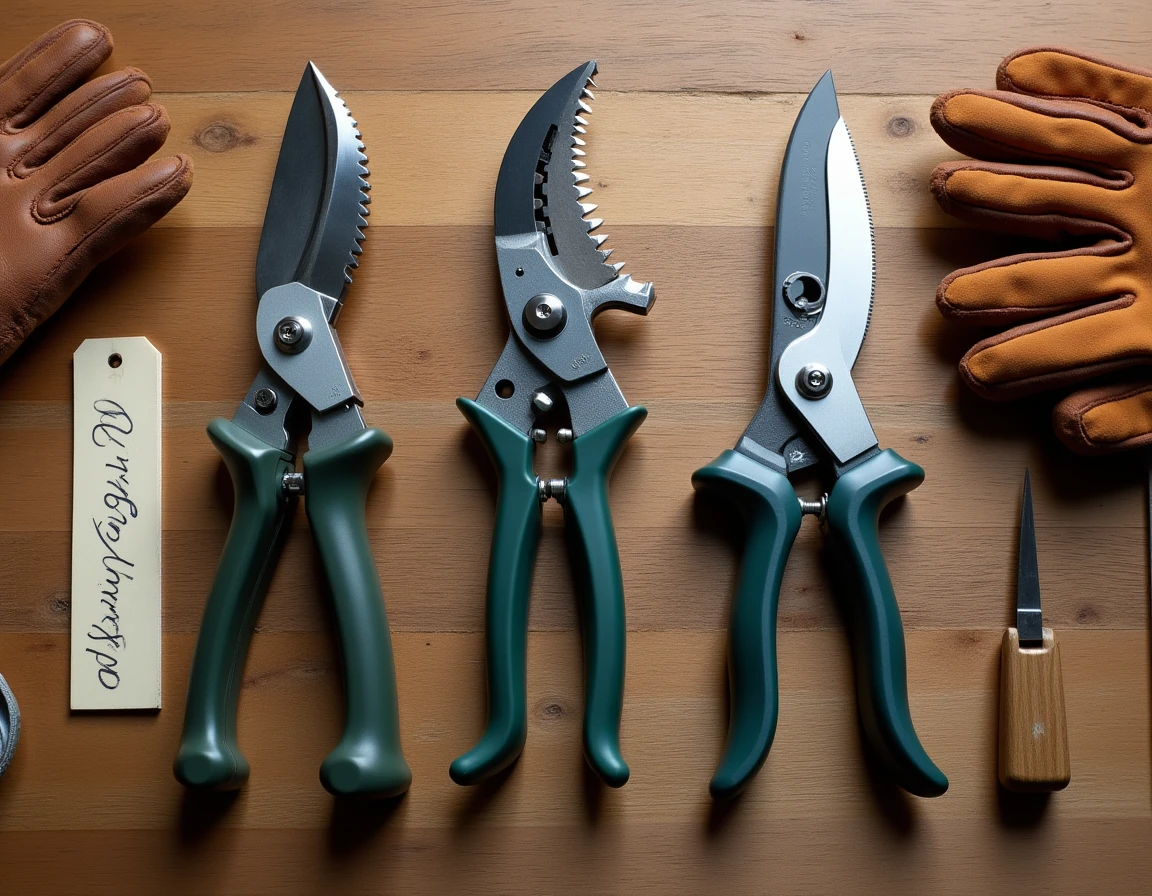
Pruner safety: the devices to check before the first cut
The power and length of the guide are useless if the chain doesn’t stop when it should. The chain brake is the non-negotiable safety device on any pruner, regardless of the price.
Chain brake and immediate stop
The chain brake stops the rotation in a fraction of a second during a kickback. On recent battery models, an immediate stop system also cuts the power as soon as you release the trigger. These two mechanisms combined significantly reduce the risk of injury for amateur use.
Personal protective equipment
The pruner is not a hedge trimmer. The chain spins fast, and chip projections are frequent. Here’s the minimum to wear:
- Cut-resistant gloves suitable for chainsaw work
- Safety glasses or face shield against projections
- Noise-cancelling helmet if you use a gas model, even for short sessions
- Closed shoes with non-slip soles (no sandals, ever)
This is not a decorative list. Each item addresses a documented type of accident. Wearing cut-resistant gloves significantly reduces the risk of hand injury.
Chain maintenance: what determines the tool’s lifespan
A poorly maintained pruner cuts poorly, strains the motor, and becomes dangerous. The chain tension should be checked before each use: you should be able to lift it slightly off the guide without it coming off.
Sharpening the chain after each extended session prolongs its lifespan and maintains a clean cut that heals better on the tree. A dull chain tears the wood instead of slicing it, which weakens the branch and encourages diseases.
Lubrication of the guide comes from the integrated oil reservoir. Always check its level. On entry-level models, this reservoir is sometimes small and empties in less than half an hour of active cutting.
Regular maintenance of the pruner takes less than ten minutes per session. This is what makes the difference between a tool that lasts several seasons and a device that is good for the dump after a year.